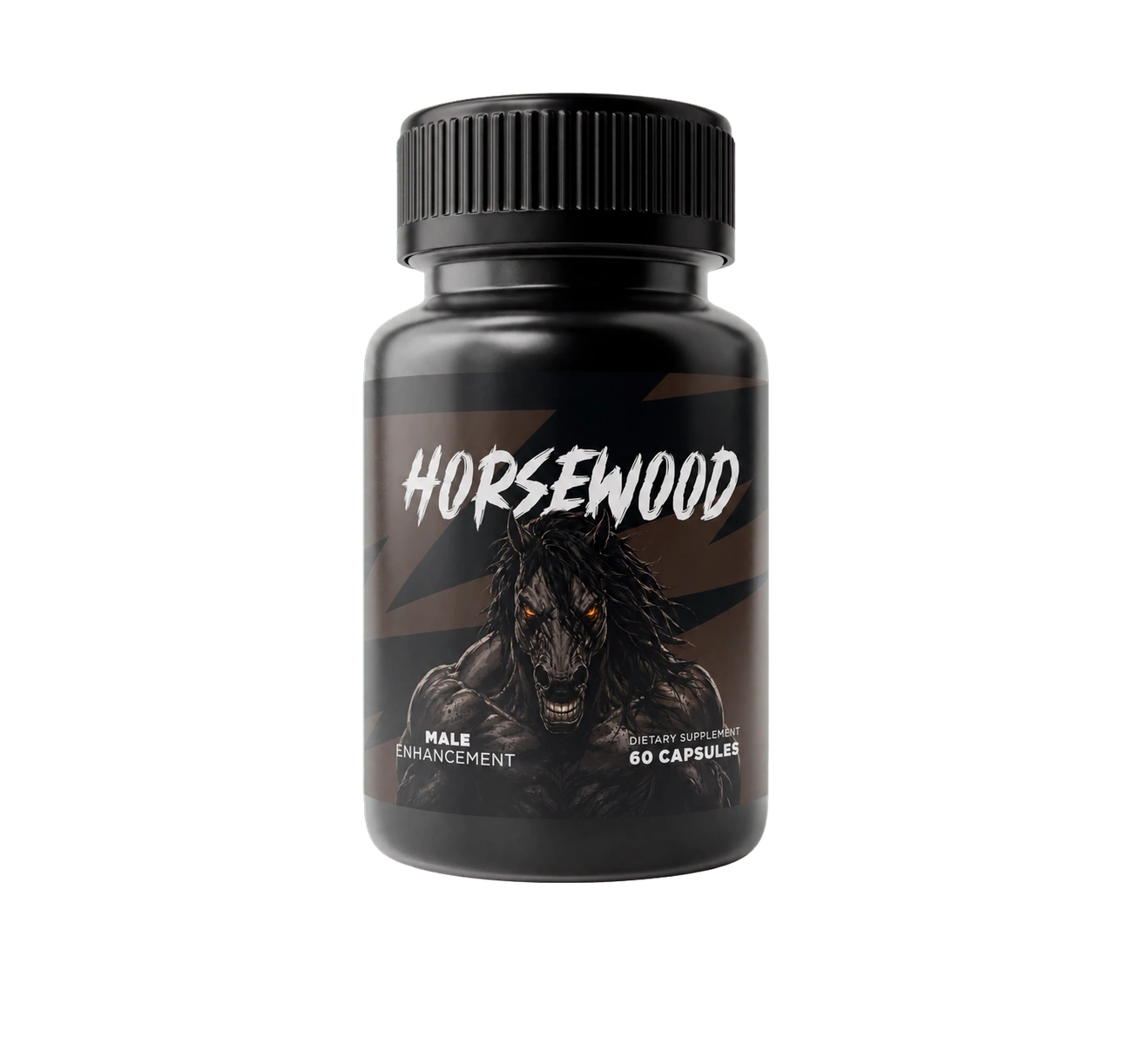
Tongkat Ali
The ingredient with the most credible modern human research in this formula — at a small fraction of the studied amount.
Tongkat Ali in the Horsewood Formula
Eurycoma longifolia — 10 mg per two-capsule serving.
In one line: Genuinely promising research on fatigue, stress and hormones, at 10 mg where trials use 200–400 mg.
The ingredient with the most credible modern human research in this formula, at a fraction of the amounts those trials used.
What Tongkat Ali Is, Before the Horsewood Framing
Tongkat ali (Eurycoma longifolia), also called longjack, is a shrub native to South East Asia, where the root has long traditional use in Malaysia and Indonesia.
Its characteristic compounds are quassinoids, particularly eurycomanone, along with a group of peptides. Research-grade preparations are typically standardised water extracts, and the well-studied ones have specific names and specifications.
Of everything in this formula, tongkat ali is the ingredient a well-informed buyer would most reasonably be interested in.
What the Tongkat Ali Research Behind Horsewood Found
There is a real and growing body of human research here, which distinguishes it from most botanicals in this category.
Hormones. Several randomised trials have examined testosterone in men with low baseline levels, with some reporting increases. The effect appears more consistent in men who start low than in men with normal levels — a pattern worth noting, since it means it is not a general enhancer.
Stress and mood. One frequently cited trial reported reductions in cortisol and improvements in tension and confusion scores in moderately stressed adults.
Fatigue and physical performance. Studies have examined it in older adults and in exercising populations, with mixed but not discouraging results.
Sexual wellness. Some trials have reported improvements in measures of male sexual function, generally in men with existing complaints.
Amounts used: most of this work used 200–400 mg a day of a standardised extract, commonly a defined water extract, over periods of several weeks to a few months.
What 10 mg of Tongkat Ali Means in Horsewood
Here the comparison needs care, because the label makes a specific claim about concentration.
The label declares 10 mg of tongkat ali from a 100:1 extract, stated as equivalent to approximately 1000 mg of dry tongkat ali powder.
Two things to understand about that. First, the arithmetic is internally consistent — 10 mg of a 100:1 extract does correspond to 1000 mg of starting material by that convention. Second, and more importantly, dry-weight equivalence is not the same as matching a studied dose. The trials did not use 1000 mg of raw powder; they used 200–400 mg of a standardised extract with a defined eurycomanone content.
So the honest comparison is 10 mg of extract here against 200–400 mg of extract in the research — a difference of 20 to 40 times. The label states no standardisation to eurycomanone, which is the specification that would actually allow a comparison.
Extract-ratio claims are also worth general scepticism. A true 100:1 botanical extract is an unusual thing, and the ratio alone tells you nothing about the concentration of the active compounds.
Tongkat Ali Safety in Horsewood
Tongkat ali has been reasonably well tolerated in the trials conducted so far.
- Generally well tolerated at studied amounts over periods of weeks to months.
- Heavy metal contamination has been a documented concern with some tongkat ali products historically, which is an argument for buying from suppliers who publish testing — something this product does not do.
- Hormone-sensitive conditions. Given the hormonal research, anyone with a hormone-sensitive condition should take medical advice first.
- Insomnia or restlessness is occasionally reported, sometimes addressed by taking it earlier in the day.
The Horsewood amounts, next to the amounts used in research
Start with what deserves credit: this label declares every ingredient individually. There is no proprietary blend hiding the numbers, which is genuinely better practice than much of this category manages, and it is what makes the comparison below possible at all.
It also makes something plain that the sales page does not: the seven actives come to 118 mg in total per daily serving.
About the extract-ratio claims. The label states that the 10 mg of tongkat ali comes from a 100:1 extract and is "equivalent to approximately 1000 mg of dry powder", and that the 8 mg of horny goat weed is equivalent to about 80 mg of dry powder. Dry-weight equivalence is a common industry convention, but it is not the same thing as matching a studied dose — the trials used specific standardised extracts at specific weights, and a claimed equivalence to raw powder does not substitute for that.
None of this makes the ingredients wrong. Saw palmetto, tongkat ali and boron all have real research behind them. It does mean that if you are buying for a specific ingredient, the amount here is well below where its evidence was generated, and buying with that understood is very different from buying without it.
How to read the research described on this Horsewood page
The studies referred to here examined individual ingredients on their own, at the amounts the researchers chose — which for saw palmetto, nettle and tongkat ali means hundreds of milligrams a day.
That research explains why an ingredient is of interest. It does not show that Horsewood reproduces those results, and no clinical trial of this finished formula has been published. Because this label discloses every amount, you can make the comparison yourself — which is exactly what the rest of this page invites you to do.
Related Horsewood Reading
The main ingredients page shows all seven actives with the label, how Horsewood works walks through the five stages, and the benefits page assesses each support claim against the evidence.
Horsewood Safety Notes
Horsewood safety and sensible precautions
The product label's caution panel is the starting point, and a few ingredient-specific points are worth adding.
- Do not exceed the recommended dose of two capsules daily.
- Anyone under 18, pregnant or nursing mothers, and anyone with a known medical condition should consult a physician before using this or any dietary supplement. This is a men's product, but the label's wording is reproduced as printed.
- Saw palmetto and PSA testing. Worth telling your doctor if you take it. Saw palmetto is widely used for prostate symptoms, and prostate symptoms in an older man are a reason for a medical assessment rather than a supplement.
- Anticoagulants. Saw palmetto has been associated with effects on bleeding in case reports. Mention it to a pharmacist if you take warfarin, aspirin or similar, and stop before surgery.
- Horny goat weed and heart medication. Icariin has been studied for PDE5 activity, the same broad pathway as some erectile-dysfunction drugs. Anyone taking nitrates or PDE5 inhibitors should raise this with a doctor rather than assume the amount here is too small to matter.
- Boron. The adult upper intake level for elemental boron is 20 mg a day. This label declares 20 mg of boron chelate, whose elemental content is a fraction of that and is not published — so an overdose is unlikely, but the figure should not be read as 20 mg of boron.
- Gelatin capsules mean this product is not suitable for vegetarians or vegans.
- Keep out of reach of children, do not use if the safety seal is damaged or missing, and store away from heat, light and humidity.
Horsewood is a dietary supplement, not a medicine, and it is not intended to diagnose, treat, cure or prevent any disease.
When to see a doctor instead of buying Horsewood
This matters more in this product category than in most, because the symptoms it is marketed around are sometimes the first sign of something treatable.
Erectile difficulties are frequently an early cardiovascular signal. The blood vessels involved are small and are often affected before larger ones, so new or worsening erectile dysfunction can precede a diagnosis of vascular disease, hypertension or diabetes by years. It is one of the more useful early warnings in men's health, and treating it as a supplement problem can mean missing it.
Persistent fatigue, loss of drive or low mood can reflect thyroid problems, sleep apnoea, depression, anaemia or genuinely low testosterone — all of which are diagnosable with a blood test and manageable with treatment.
Urinary symptoms such as a weak stream, urgency or getting up at night warrant a proper prostate assessment rather than a botanical capsule.
To be fair to the reference: its own FAQ says this too, stating plainly that the product should not be described as treating erectile dysfunction, low testosterone or cardiovascular disease. That is the right advice and it is repeated here.
More Horsewood Ingredients
Considering Horsewood?
Read the ingredients page first. Every amount in this formula is printed on the label, which is more than most products in this category manage — and once you can see the amounts, the most useful question answers itself.
From $49 per bottle · 60-day money-back guarantee · Empty bottles accepted for refund