Sarsaparilla
Marketed for its “plant steroids”, which are saponins — and which your body does not turn into testosterone.
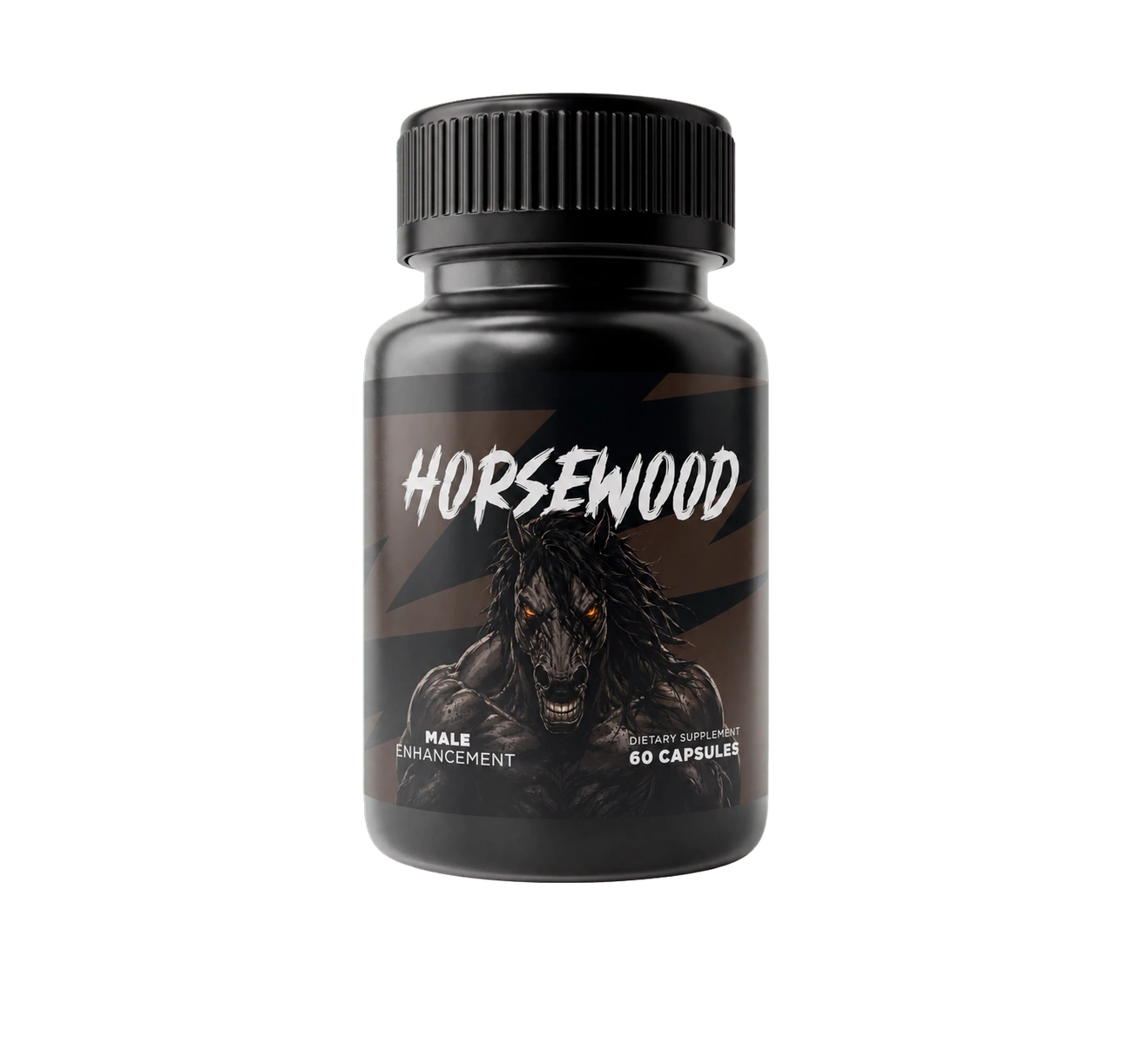
Sarsaparilla in the Horsewood Formula
Smilax ornata (root) — 20 mg per two-capsule serving.
In one line: A traditional root with genuine saponin content and no demonstrated hormonal effect in humans.
Marketed for its “plant steroids”, which are saponins and are not converted into testosterone by the human body.
What Sarsaparilla Is, Before the Horsewood Framing
Sarsaparilla (Smilax ornata and related species) is a tropical vine whose root has been used traditionally in Central and South America and the Caribbean, and which gave its name to the old soft drink.
It contains steroidal saponins including sarsasapogenin and smilagenin, along with plant sterols and flavonoids.
The word "steroidal" in that sentence is doing an enormous amount of work in this product category, and it is worth unpacking.
The Sarsaparilla “Plant Steroid” Myth in Horsewood
Sarsaparilla is frequently marketed as containing natural steroids, sometimes with the implication that it supports testosterone or has anabolic properties. The claim is often traced to mid-twentieth-century stories about athletes.
The confusion is a naming one. In chemistry, "steroid" describes a molecular skeleton of four fused rings. An enormous range of unrelated compounds share it — cholesterol, vitamin D, bile acids, plant sterols and, yes, testosterone. Two compounds sharing that skeleton have no more in common functionally than two buildings sharing a foundation shape.
Plant saponins are not anabolic steroids, and the human body does not convert them into testosterone. No controlled human research demonstrates that sarsaparilla raises testosterone or produces anabolic effects.
The traditional uses of the root — which are real, and mostly concern skin and joint complaints — have nothing to do with hormones.
What 20 mg of Sarsaparilla Means in Horsewood
The label declares 20 mg of root extract per serving, with no standardisation stated.
Human research on sarsaparilla is limited in general, and there is little to compare an amount against. What exists concerns traditional applications rather than men's hormonal health.
The honest assessment: a traditional botanical, present in a small amount, included in this formula for reasons that owe more to category convention and to the word "steroid" than to evidence. Harmless, and not doing what its reputation implies.
Sarsaparilla Safety in Horsewood
Sarsaparilla has a long history of use as a food flavouring and traditional remedy.
- Generally well tolerated, with stomach upset reported at higher amounts.
- Saponins can be irritating to the digestive tract in quantity. Not a realistic concern at 20 mg.
- Medication absorption. Saponins have been suggested to affect the absorption of some medicines. Worth a mention to a pharmacist if you take anything regularly.
Two claims about Horsewood ingredients that are simply not true
These are not specific to this product — they are among the most durable myths in men's supplement marketing, and two of the seven ingredients here are their usual carriers.
Wild yam does not become hormones in your body. Wild yam contains diosgenin, and diosgenin genuinely is a starting material chemists use to semi-synthesise steroid hormones in a laboratory. That industrial process requires reagents and conditions the human body does not have. Eating or swallowing diosgenin does not raise DHEA, progesterone or testosterone, and this has been tested.
Sarsaparilla's "plant steroids" are not anabolic steroids. Sarsaparilla contains saponins and plant sterols, sometimes marketed as natural steroids. Botanically the word "steroid" describes a chemical skeleton shared by many unrelated compounds, including cholesterol and vitamin D. Plant saponins are not testosterone, and the body does not convert them into it.
Both remain reasonable inclusions as traditional botanicals. Neither does what the category's marketing usually implies, and this site will not imply it either.
How to read the research described on this Horsewood page
The studies referred to here examined individual ingredients on their own, at the amounts the researchers chose — which for saw palmetto, nettle and tongkat ali means hundreds of milligrams a day.
That research explains why an ingredient is of interest. It does not show that Horsewood reproduces those results, and no clinical trial of this finished formula has been published. Because this label discloses every amount, you can make the comparison yourself — which is exactly what the rest of this page invites you to do.
Related Horsewood Reading
The main ingredients page shows all seven actives with the label, how Horsewood works walks through the five stages, and the benefits page assesses each support claim against the evidence.
Horsewood Safety Notes
Horsewood safety and sensible precautions
The product label's caution panel is the starting point, and a few ingredient-specific points are worth adding.
- Do not exceed the recommended dose of two capsules daily.
- Anyone under 18, pregnant or nursing mothers, and anyone with a known medical condition should consult a physician before using this or any dietary supplement. This is a men's product, but the label's wording is reproduced as printed.
- Saw palmetto and PSA testing. Worth telling your doctor if you take it. Saw palmetto is widely used for prostate symptoms, and prostate symptoms in an older man are a reason for a medical assessment rather than a supplement.
- Anticoagulants. Saw palmetto has been associated with effects on bleeding in case reports. Mention it to a pharmacist if you take warfarin, aspirin or similar, and stop before surgery.
- Horny goat weed and heart medication. Icariin has been studied for PDE5 activity, the same broad pathway as some erectile-dysfunction drugs. Anyone taking nitrates or PDE5 inhibitors should raise this with a doctor rather than assume the amount here is too small to matter.
- Boron. The adult upper intake level for elemental boron is 20 mg a day. This label declares 20 mg of boron chelate, whose elemental content is a fraction of that and is not published — so an overdose is unlikely, but the figure should not be read as 20 mg of boron.
- Gelatin capsules mean this product is not suitable for vegetarians or vegans.
- Keep out of reach of children, do not use if the safety seal is damaged or missing, and store away from heat, light and humidity.
Horsewood is a dietary supplement, not a medicine, and it is not intended to diagnose, treat, cure or prevent any disease.
When to see a doctor instead of buying Horsewood
This matters more in this product category than in most, because the symptoms it is marketed around are sometimes the first sign of something treatable.
Erectile difficulties are frequently an early cardiovascular signal. The blood vessels involved are small and are often affected before larger ones, so new or worsening erectile dysfunction can precede a diagnosis of vascular disease, hypertension or diabetes by years. It is one of the more useful early warnings in men's health, and treating it as a supplement problem can mean missing it.
Persistent fatigue, loss of drive or low mood can reflect thyroid problems, sleep apnoea, depression, anaemia or genuinely low testosterone — all of which are diagnosable with a blood test and manageable with treatment.
Urinary symptoms such as a weak stream, urgency or getting up at night warrant a proper prostate assessment rather than a botanical capsule.
To be fair to the reference: its own FAQ says this too, stating plainly that the product should not be described as treating erectile dysfunction, low testosterone or cardiovascular disease. That is the right advice and it is repeated here.
More Horsewood Ingredients
Considering Horsewood?
Read the ingredients page first. Every amount in this formula is printed on the label, which is more than most products in this category manage — and once you can see the amounts, the most useful question answers itself.
From $49 per bottle · 60-day money-back guarantee · Empty bottles accepted for refund