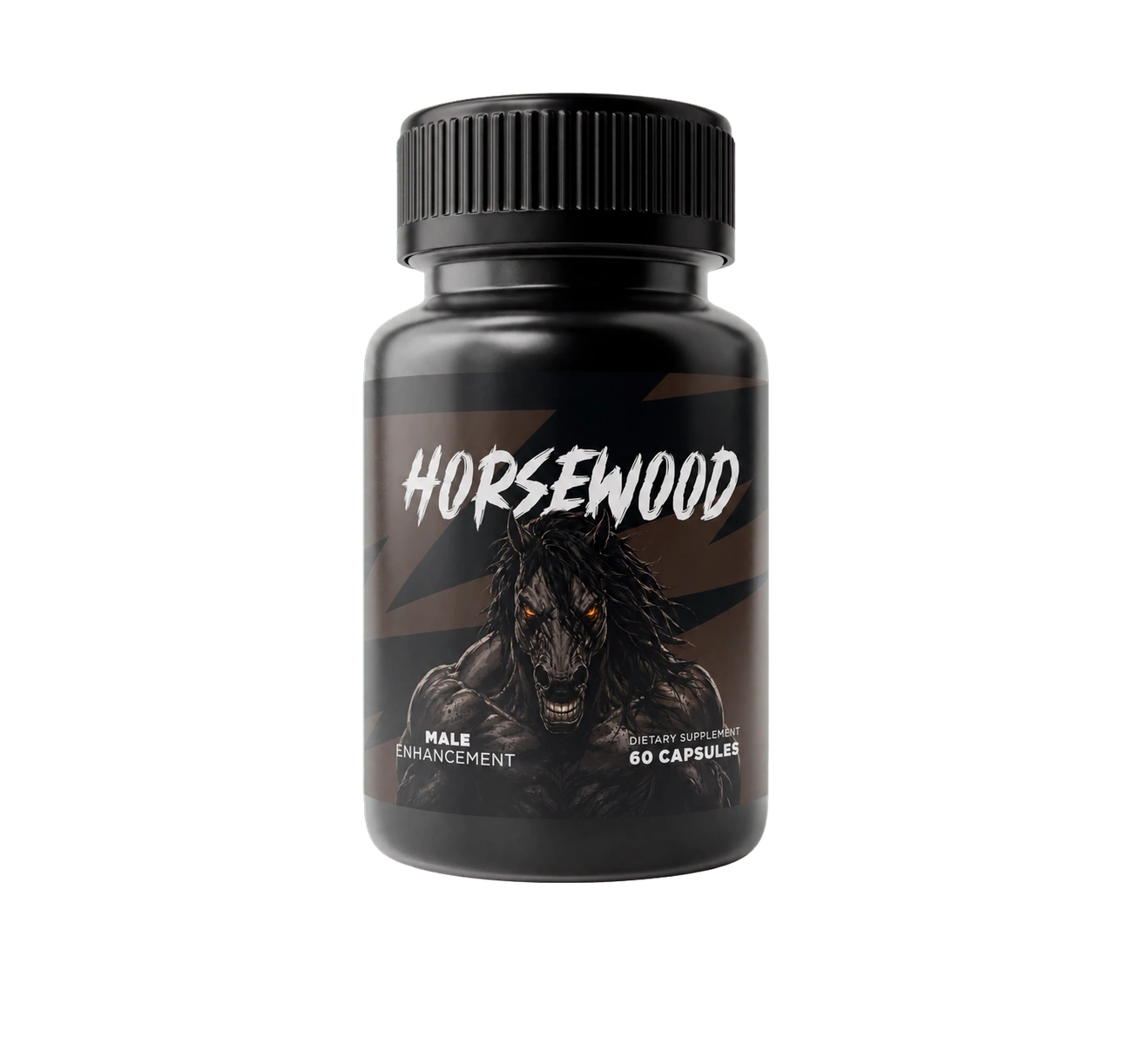
Saw Palmetto
Serenoa repens (berry) 20 mg per servingThe best-researched ingredient in the formula, included at roughly a sixteenth of the amount used in the trials it is known for.
Full pageAll seven ingredients with the exact amounts printed on the label — information the seller's own website does not publish anywhere.
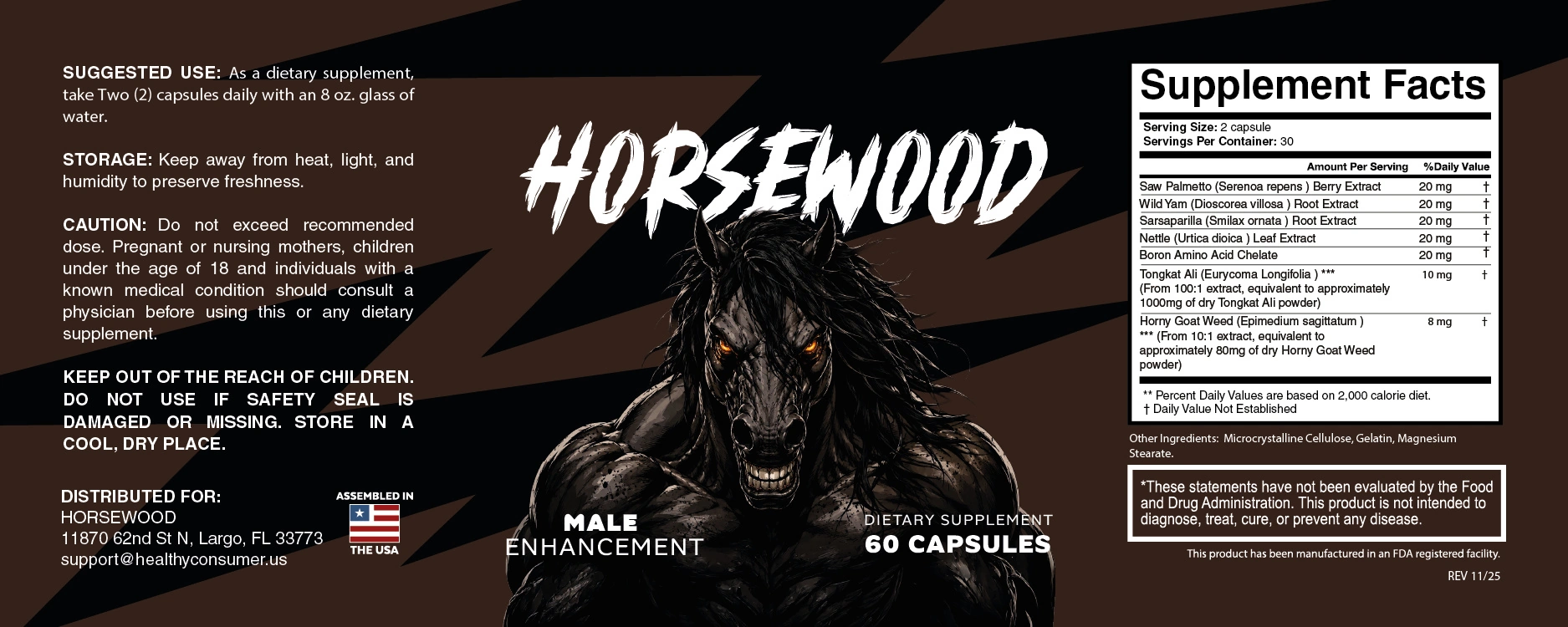
The supplied product label. Serving size is two capsules, and every figure on the panel is per serving.
This is worth stating plainly, because it is unusual. The seller's website names no ingredients at all.
Its ingredients section lists six "nutritional support areas" and then advises readers to check the Supplement Facts panel on the packaging. Its FAQ gives the same answer when asked what is inside. There is no ingredient list on the sales page to compare against.
So everything below was read off the label artwork. And the label is a much better document than the page selling it: seven ingredients, seven individual amounts, no proprietary blend.
That is genuinely good labelling practice. It is also what makes the honest comparison further down this page possible at all.
Transcribed from the label so it can be read, searched and checked.
Serving size: 2 capsules · Servings per container: 30
† Daily Value not established. Other ingredients: microcrystalline cellulose, gelatin, magnesium stearate.
Note the gelatin. The capsule shell is gelatin, which is animal-derived, so this product is not suitable for vegetarians or vegans. The reference does not mention this anywhere.
The 118 mg total is this site's arithmetic, not a figure printed on the label. It is included because it is the quickest way to see the scale of the formula.
Each with its label amount and a full page covering the research.
The best-researched ingredient in the formula, included at roughly a sixteenth of the amount used in the trials it is known for.
Full pageCarries one of the most persistent myths in supplement marketing — that the body converts its diosgenin into hormones. It does not.
Full pageMarketed for its “plant steroids”, which are saponins and are not converted into testosterone by the human body.
Full pageWorth reading closely: the prostate research men associate with nettle used the ROOT, and this label specifies the leaf.
Full pageA genuine trace mineral with real hormonal research behind it — declared here as chelate weight, so the elemental boron content is unknown.
Full pageThe ingredient with the most credible modern human research in this formula, at a fraction of the amounts those trials used.
Full pageIts active compound icariin has a real pharmacological story, and 8 mg of a 10:1 extract is a long way from where that story was written.
Full pageThe label gives you the numbers. Here is what they look like beside the studies.
Start with what deserves credit: this label declares every ingredient individually. There is no proprietary blend hiding the numbers, which is genuinely better practice than much of this category manages, and it is what makes the comparison below possible at all.
It also makes something plain that the sales page does not: the seven actives come to 118 mg in total per daily serving.
About the extract-ratio claims. The label states that the 10 mg of tongkat ali comes from a 100:1 extract and is "equivalent to approximately 1000 mg of dry powder", and that the 8 mg of horny goat weed is equivalent to about 80 mg of dry powder. Dry-weight equivalence is a common industry convention, but it is not the same thing as matching a studied dose — the trials used specific standardised extracts at specific weights, and a claimed equivalence to raw powder does not substitute for that.
None of this makes the ingredients wrong. Saw palmetto, tongkat ali and boron all have real research behind them. It does mean that if you are buying for a specific ingredient, the amount here is well below where its evidence was generated, and buying with that understood is very different from buying without it.
These are not specific to this product — they are among the most durable myths in men's supplement marketing, and two of the seven ingredients here are their usual carriers.
Wild yam does not become hormones in your body. Wild yam contains diosgenin, and diosgenin genuinely is a starting material chemists use to semi-synthesise steroid hormones in a laboratory. That industrial process requires reagents and conditions the human body does not have. Eating or swallowing diosgenin does not raise DHEA, progesterone or testosterone, and this has been tested.
Sarsaparilla's "plant steroids" are not anabolic steroids. Sarsaparilla contains saponins and plant sterols, sometimes marketed as natural steroids. Botanically the word "steroid" describes a chemical skeleton shared by many unrelated compounds, including cholesterol and vitamin D. Plant saponins are not testosterone, and the body does not convert them into it.
Both remain reasonable inclusions as traditional botanicals. Neither does what the category's marketing usually implies, and this site will not imply it either.
The studies referred to here examined individual ingredients on their own, at the amounts the researchers chose — which for saw palmetto, nettle and tongkat ali means hundreds of milligrams a day.
That research explains why an ingredient is of interest. It does not show that Horsewood reproduces those results, and no clinical trial of this finished formula has been published. Because this label discloses every amount, you can make the comparison yourself — which is exactly what the rest of this page invites you to do.
The product label's caution panel is the starting point, and a few ingredient-specific points are worth adding.
Horsewood is a dietary supplement, not a medicine, and it is not intended to diagnose, treat, cure or prevent any disease.
This matters more in this product category than in most, because the symptoms it is marketed around are sometimes the first sign of something treatable.
Erectile difficulties are frequently an early cardiovascular signal. The blood vessels involved are small and are often affected before larger ones, so new or worsening erectile dysfunction can precede a diagnosis of vascular disease, hypertension or diabetes by years. It is one of the more useful early warnings in men's health, and treating it as a supplement problem can mean missing it.
Persistent fatigue, loss of drive or low mood can reflect thyroid problems, sleep apnoea, depression, anaemia or genuinely low testosterone — all of which are diagnosable with a blood test and manageable with treatment.
Urinary symptoms such as a weak stream, urgency or getting up at night warrant a proper prostate assessment rather than a botanical capsule.
To be fair to the reference: its own FAQ says this too, stating plainly that the product should not be described as treating erectile dysfunction, low testosterone or cardiovascular disease. That is the right advice and it is repeated here.
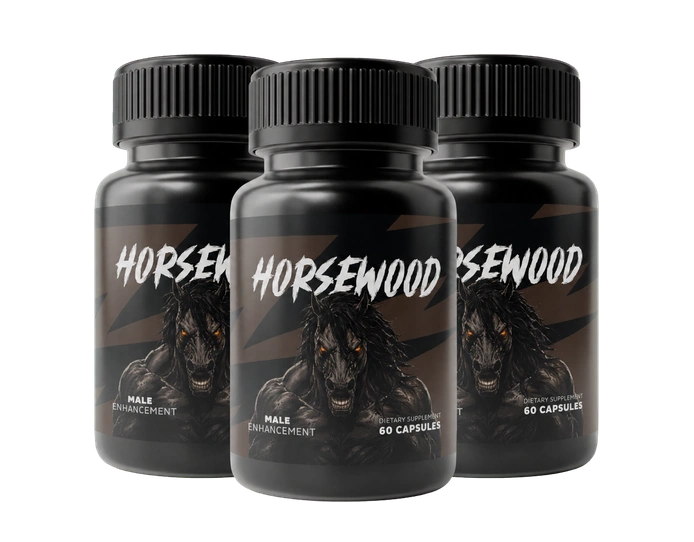
The three package sizes the seller displays, and an honest account of which prices are actually published and which are not.
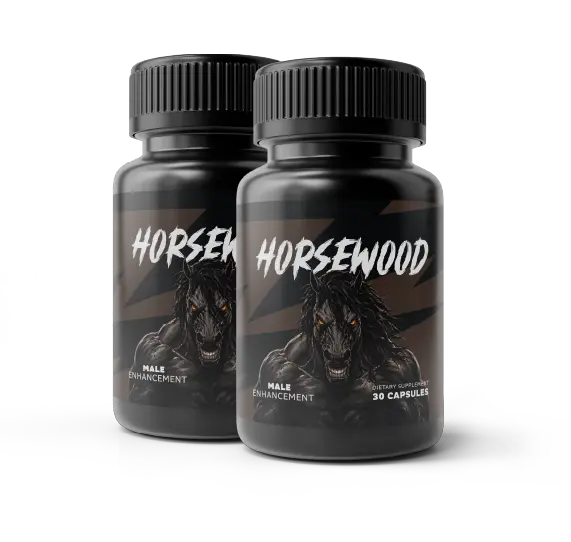
Package total not published by the seller
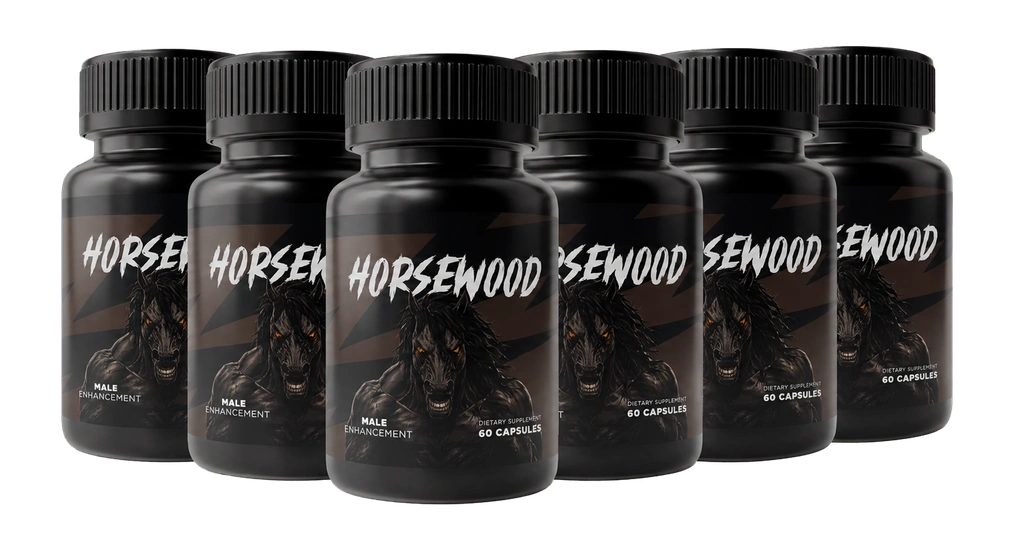
Package total not published by the seller
Package total not published by the seller
What is published and what is not. The seller publishes exactly two figures: a regular price of $99 a bottle and a discounted price of $49 a bottle. It displays 2-, 3- and 6-bottle package graphics but publishes no package totals, no per-tier pricing and no shipping terms. Rather than invent them, this site shows the package sizes as displayed and leaves the totals blank. At the advertised $49 rate the arithmetic would be $98, $147 and $294 — that is this site's multiplication, not a published price, and the checkout is the only authoritative source.
The seller states a 60-day, 100% money-back guarantee on all purchases, and adds something that genuinely does count in its favour: you can return empty bottles and still receive a full refund.
Plenty of guarantees in this category require unopened product back, which quietly makes the guarantee useless — you cannot try something and also return it unopened. Accepting empty bottles removes that catch, and it is the strongest single feature of this offer.
Two things the published terms do not address: who pays return postage, and whether the 60 days runs from the order date or from delivery. Both are worth confirming with support before ordering, and both matter more on a larger package.
The reference names BuyGoods as the retailer handling transactions, and the product label carries a support email address. Keep your order confirmation and note the date your 60 days ends.
Read the ingredients page first. Every amount in this formula is printed on the label, which is more than most products in this category manage — and once you can see the amounts, the most useful question answers itself.
From $49 per bottle · 60-day money-back guarantee · Empty bottles accepted for refund